Implants are a common dental surgical choice, but they are not always the only or best option. This post compares dental surgical options, explains when surgery is needed, reviews risks and recovery, and offers practical steps to choose the right path. Read on to learn how implants, extractions, bone grafts, All‑on‑4, and non‑surgical alternatives stack up so you can make an informed decision with your clinician.
Understanding dental surgical options
Dental surgical treatments are procedures that change tissues, bone, or teeth through incision or implantation. Common dental surgical choices include dental implants (single and full‑arch), extractions and surgical removals, bone grafting, sinus lifts, and All‑on‑4 full‑arch reconstructions. These differ from non‑surgical care like fillings, crowns, root canals, and removable dentures because they often involve oral surgery, longer healing, and more complex planning.
When surgery is recommended
Surgery is usually recommended when less invasive care won’t restore long‑term function or health. Typical reasons include missing teeth that affect chewing or bone health, failed restorations, deep decay or infection that can’t be saved, severe jawbone loss, traumatic tooth damage, or when a patient wants the most durable esthetic solution. Providers also consider overall health, medication use, and how quickly the patient needs results.
Common dental surgical procedures — what to expect
Dental implants
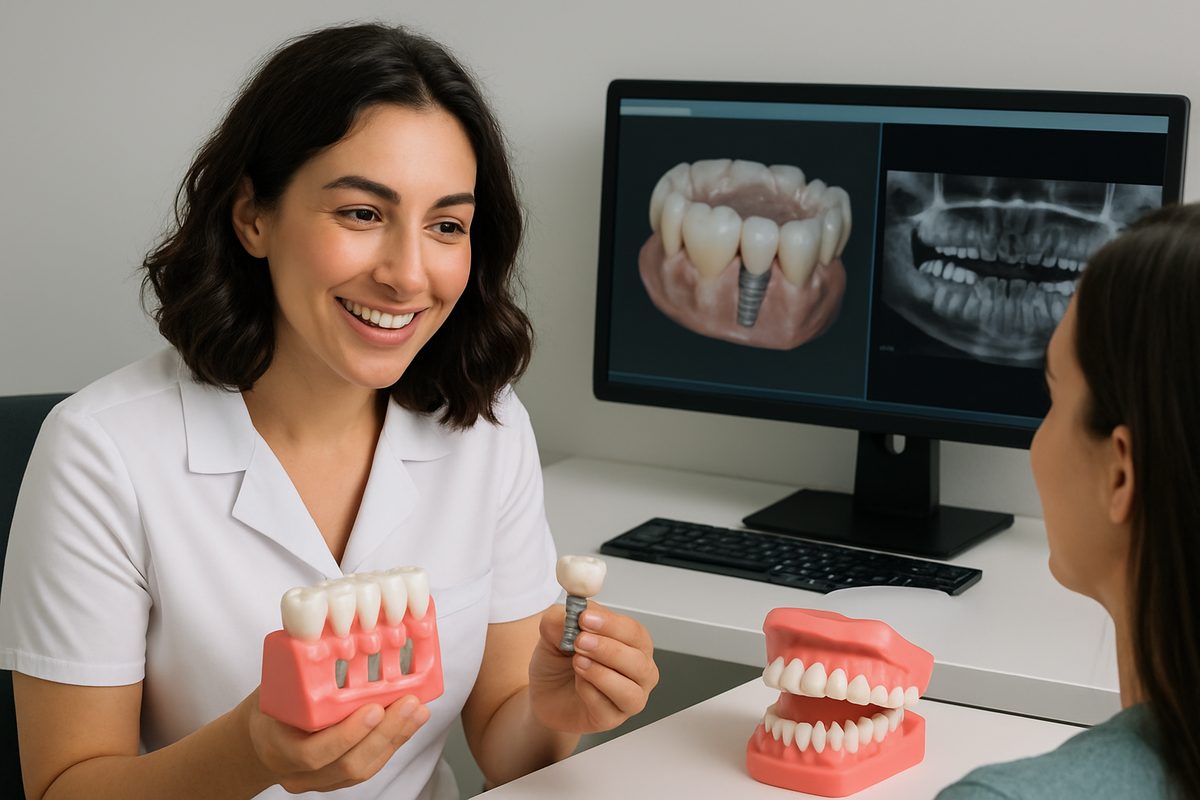
A dental implant has three parts: the titanium fixture placed in the jaw, the abutment that connects the fixture to the tooth, and the final crown or prosthetic. Timeline often includes placement, a healing period of 3–6 months for osseointegration, then restoration. Recovery usually involves mild swelling, soreness for a few days, and short‑term diet changes. Success rates are high when bone and oral health are good.
Bone grafting and sinus lifts
Bone augmentation restores jaw volume so implants have enough support. Materials can be your own bone, donor bone, or synthetic grafts. Sinus lifts raise the sinus membrane to add bone in the upper back jaw. These add healing time—often several months—before implant placement, but they improve long‑term implant stability when native bone is insufficient.
Extractions and surgical removals
Simple extractions remove teeth with forceps; surgical extractions need incisions or bone removal and are used for broken, impacted, or hard‑to‑access teeth. Procedures like apicoectomy (root tip removal) or surgical exposure (for impacted teeth) are done to treat persistent infection or prepare for orthodontics. Recovery varies from a few days to a couple of weeks.
Full‑arch surgical solutions (All‑on‑4 / implant‑supported dentures)
Full‑arch surgery replaces an entire upper or lower set of teeth with implant‑supported prosthetics. All‑on‑4 uses strategic implant placement to support a fixed prosthesis, often allowing same‑day temporary teeth. Expect longer surgery, an initial temporary restoration, and follow‑up for final prosthetics. These solutions restore function and esthetics for patients missing many teeth.
Non‑surgical alternatives to consider
Non‑surgical options include fixed bridges, removable partial or full dentures, and advanced restorative or endodontic care to save a tooth. Bridges are faster and lower cost up front but require altering adjacent teeth and may not prevent bone loss. Dentures are the least invasive and most affordable but can feel less stable and need maintenance. Root canal treatment can often save a tooth and postpone or avoid surgery. Consider cost, speed, maintenance, and long‑term bone health when comparing.
Risks, recovery, and long‑term outcomes
Common surgical risks include infection, implant failure, prolonged bleeding, and nerve irritation or numbness. Recovery timelines range from days for simple extractions to months for grafted implant sites. Long‑term success improves with good oral hygiene, controlling diabetes, quitting smoking, and careful planning. Proper diagnostics and follow‑up care reduce complications and improve functional and esthetic outcomes over years.
How to choose the right option for you
Deciding factors include your oral health and remaining bone, budget and insurance, how fast you need a solution, esthetic goals, medical history, and lifestyle habits like smoking or teeth grinding. Ask about realistic timelines, total costs (including grafts and restorations), and what maintenance is required. Get second opinions if needed and weigh short‑term savings against long‑term durability and bone preservation.
Why provider experience and technology matter for dental surgical care
Provider training and modern imaging greatly affect predictability. Specialists or board‑certified clinicians bring advanced surgical and prosthetic experience. Technologies like CBCT 3D imaging, guided surgery, CAD/CAM restorations, and 3D‑printed surgical guides improve accuracy, reduce surprises, and speed final results. Choosing a surgical team that uses these tools lowers risk and helps achieve the intended esthetic and functional outcome.
Choosing a dental surgical provider for dental surgical care in Vestal, NY
Look for credentials such as board certification, prosthodontic or oral surgery training, and a track record of implant and reconstructive cases. Practices that use CBCT imaging, digital workflows, and in‑house CAD/CAM or 3D printing can offer faster, more precise care. If you live near Vestal, NY, schedule a consult that includes 3D imaging and a clear written plan so you can compare options and costs. Lalor Implant Center, led by a board‑certified prosthodontist, offers comprehensive planning and digital tools to help patients choose the best path. Closing note: Dental implants are an excellent solution for many, but they aren’t always the only or best choice. Evaluate your oral health, timeline, budget, and goals, and review options with a qualified clinician who can explain risks, alternatives, and long‑term outcomes. A thoughtful plan leads to the best, lasting result.