
Complete teeth replacement means replacing every missing or failing tooth in an arch so you can eat, speak, and smile confidently again. People choose teeth replacement options when tooth loss, decay, or wear makes chewing painful, speech difficult, or appearance a concern. This post reviews the main options—pros and cons of dental implants, dentures, and full-arch solutions—who’s a candidate, typical timelines and costs, risks, and how to pick the right plan for your life and goals.
Overview: What is complete teeth replacement?
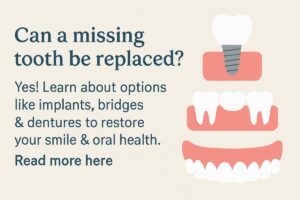
Teeth replacement options restore function, speech, appearance, and oral health for a full upper or lower arch. Primary options include full-arch dental implants, All-on-4 or similar fixed solutions, implant-supported overdentures, traditional removable dentures, and fixed dental bridges. The best choice depends on bone health, budget, daily habits, and whether you want a removable or permanently fixed solution.
Dental implants: benefits and basic types
Dental implants replace tooth roots with titanium posts that support tooth crowns, dental bridges, or full-arch restorations. Benefits include strong stability, improved chewing, bone preservation, and a natural feel. Options range from single dental implants for one tooth to multiple dental implants supporting fixed dental bridges and complete-arch dental implant restorations. With good care, dental implants can last decades, but they need regular dental hygiene and occasional prosthetic maintenance.
All-on-4 and full-arch implant solutions
All-on-4 and similar full-arch approaches use fewer dental implants placed at strategic angles to support an entire arch. They often allow same-day provisional teeth so patients leave with fixed restorations. These solutions suit people with many failing or missing teeth who want a permanent-feeling set of teeth. Trade-offs include a higher upfront cost than removable options and different maintenance than individual dental implants.
Removable dentures vs implant-supported overdentures
Traditional removable dentures are the lowest-cost route but can slip, reduce chewing efficiency, and affect speech. Implant-supported overdentures attach to two or more dental implants and snap into place for better retention, comfort, and eating ability while remaining removable for cleaning. Overdentures are a middle ground between cost and function compared with fully fixed dental implant arches.
Who is a candidate for complete teeth replacement?
Candidates start with a clinical exam, CBCT or 3D imaging, and a review of medical history and goals. Key factors are bone volume, overall health, and habits like smoking. Conditions such as uncontrolled diabetes or severe bone loss can be barriers, but preparatory procedures (bone grafts, sinus lifts) often make dental implants possible. A clear plan addresses both surgical and prosthetic needs.
Treatment timeline, technology, and what to expect
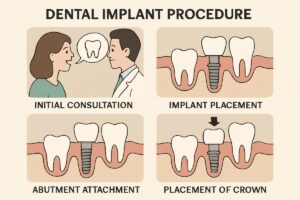
Typical phases are consultation, imaging and planning, any preparatory surgery, dental implant placement, healing (osseointegration), and final prosthesis delivery. Modern tools—CBCT imaging, CAD/CAM design, 3D-printed surgical guides, and in-house milling—speed planning and improve accuracy. Some patients receive temporary teeth the same day; final prosthetics come after healing for a stable, long-lasting result.
Costs, financing, risks, and long-term care
Cost depends on dental implant number, grafting needs, materials, lab work, and clinician expertise. Financing plans and payment options can help; dental insurance often covers parts of the process but rarely full dental implant costs. Risks include infection, dental implant failure, and prosthetic wear. Long-term care includes regular hygiene visits, home care, occasional adjustments, and using night guards when recommended.
About Dr. Joe Lee and Lalor Implant Center in Vestal, NY
Dr. Joe Lee, DDS, MDS, FACP, is a board-certified prosthodontist with advanced training in dental implant and esthetic dentistry and over a decade of experience. Lalor Implant Center in Vestal, NY uses CBCT, CAD/CAM, in-house milling, and 3D printing to plan and deliver predictable full-arch and custom restorations. Their team guides patients through each step with evidence-based protocols and a focus on lasting results.
Contact Us to See If Complete Teeth Replacement is right for you?
If you’re considering teeth replacement options in Vestal, NY, schedule a consultation and get CBCT imaging to see your options. Prepare questions about timeline, costs, and before/after photos of full-arch cases. For a personalized evaluation and to learn whether implants, overdentures, or another solution fits your life, contact Lalor Implant Center to book a visit.