
Common Patient Questions About the Tooth Implant Procedure
Navigating the Benefits and Considerations of Dental Implants
When Dental Implants May Not Be Right: Contraindications and Scenarios
This section helps readers spot clear reasons implants might be unsafe or should be delayed. Not everyone is an immediate candidate — sometimes medical, lifestyle, or anatomic issues make implants risky. Understanding these limits lets you get safer, more predictable care or plan appropriate alternatives.
Medical conditions and medications
Certain health problems and medicines can raise the risk of implant failure or surgical complications. Examples include uncontrolled diabetes, conditions that suppress the immune system, recent radiation to the jaw, and some chemotherapies. Some medications that affect bone healing (like high-dose bisphosphonates) also matter. Always coordinate with your physician: ask for medical clearance, recent lab results, or a specialist note if needed. In many cases, managing the medical issue first or choosing a non-surgical dental option is safer.
Lifestyle factors
Smoking, heavy alcohol use, and poor oral hygiene increase the chance that an implant will fail. Tobacco reduces blood flow and slows healing; heavy alcohol can interfere with bone growth and immune response. If these factors are present, most teams will ask you to quit or reduce use and to improve home care before moving forward. Successfully addressing these issues first improves outcomes and may be required before a provider will proceed.
Anatomic and dental limitations
Some mouths simply lack the bone or spacing needed for safe implant placement. Low bone volume, a thin ridge shape, or an implant site too close to a nerve or the sinus can make implants risky. Active gum (periodontal) disease and severe teeth grinding (bruxism) also raise the risk of failure. Often these issues can be treated — bone grafting, sinus lift, periodontal therapy, or orthodontic prep — but they may delay treatment or change the plan. A CBCT scan usually clarifies anatomy and options.
If a clinician gives an unclear response about your candidacy, don’t accept uncertainty. Ask for specific tests (CBCT, A1c for diabetes, or written medical clearance), documented reasons, and a clear timeline for reassessment. Request written notes or a referral to a specialist if needed. Seeking a second opinion is reasonable when answers are vague — a definitive diagnosis and plan reduces risk and helps you move forward with confidence.
Post-Procedure Care: A Path to Lasting Implant Success.
What To Ask Your Implant Team: Key Questions
Bring a written list to your consultation so you don’t leave with vague or “null” answers. Clear, specific questions help you understand the plan, risks, costs, and what tests or follow-up you should expect. Below are focused questions that prompt concrete, documented responses.
Questions about experience and outcomes
Ask the surgeon about their training, board certification, and how many implants they place each year. Request complication rates and before/after photos of similar cases. Ask if they work with a referring dentist or team for the restorative phase. Concrete numbers and documented examples of outcomes give you a sense of skill and predictable results.
Questions about the treatment plan
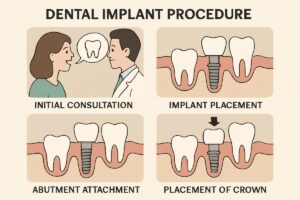
Request a step-by-step timeline for your care, including diagnostics, surgery day, healing time, and prosthetic visits. Ask why a specific implant type or brand was chosen and whether bone grafts, sinus lifts, or extractions are needed. Ask about alternative options if implants are not suitable. A written plan with dates or time ranges avoids vague answers.
Questions about risks, success rates, and follow-up
Ask for the expected success rate for your case and the common complications to watch for. Learn the warning signs that need urgent attention and the routine follow-up schedule. Ask who to call after hours and what the emergency process is. Request these details in writing so you have clear expectations rather than a “maybe” response.
Questions about cost, warranties, and financing
Request an itemized estimate that shows what is included (implant, abutment, crown, surgical guides, follow-ups) and what may be billed separately. Ask about the prosthesis’s warranties and what they cover, plus typical extra costs for complications or revisions. Inquire about available payment plans or third-party financing, and request written fee policies to avoid surprises.
How to avoid a “null” answer
To prevent vague responses, ask for specific test names (CBCT, bloodwork), numeric timelines (healing weeks), and documented policies (refunds, warranties). If an answer is unclear, ask the clinician to write the reason and next steps or to provide a referral for a specialist evaluation. If you still get a “null” reply, get a second opinion—clear, documented information is your right.