Dental bone grafts for implants are a common part of implant dentistry, but are they always needed? This post explains what grafts are, when they’re required, alternatives, risks, and how to find the right plan for your mouth. You’ll learn simple facts to help you decide whether grafting is likely to be part of your implant treatment.
What are dental bone grafts for implants?
A bone graft adds material to your jaw where bone is missing or weak. The goal is to build enough healthy bone to hold a dental implant securely. Common graft materials include autograft (your own bone), allograft (donor human bone), xenograft (animal bone, usually bovine), and synthetic options (made from ceramics or other materials). All aim to create a stable base so an implant can fuse to the jaw.
When are bone grafts usually necessary?
Bone loss after tooth loss
When a tooth is lost, the jawbone that once supported it begins to shrink. Over months to years this resorption can leave too little bone to hold a dental implant. If the remaining bone is too thin or short, an implant may not be stable without grafting.
Specific clinical situations
Some situations commonly need grafts: sinus lifts for upper back teeth, ridge defects from long-term tooth loss, and areas damaged by trauma or infection. Timing varies—some grafts happen at the time of extraction (socket preservation) or implant placement (immediate), while others are staged, with months of healing before the implant. Grafts usually take several months to integrate with your natural bone.
How bone grafts are done and what to expect
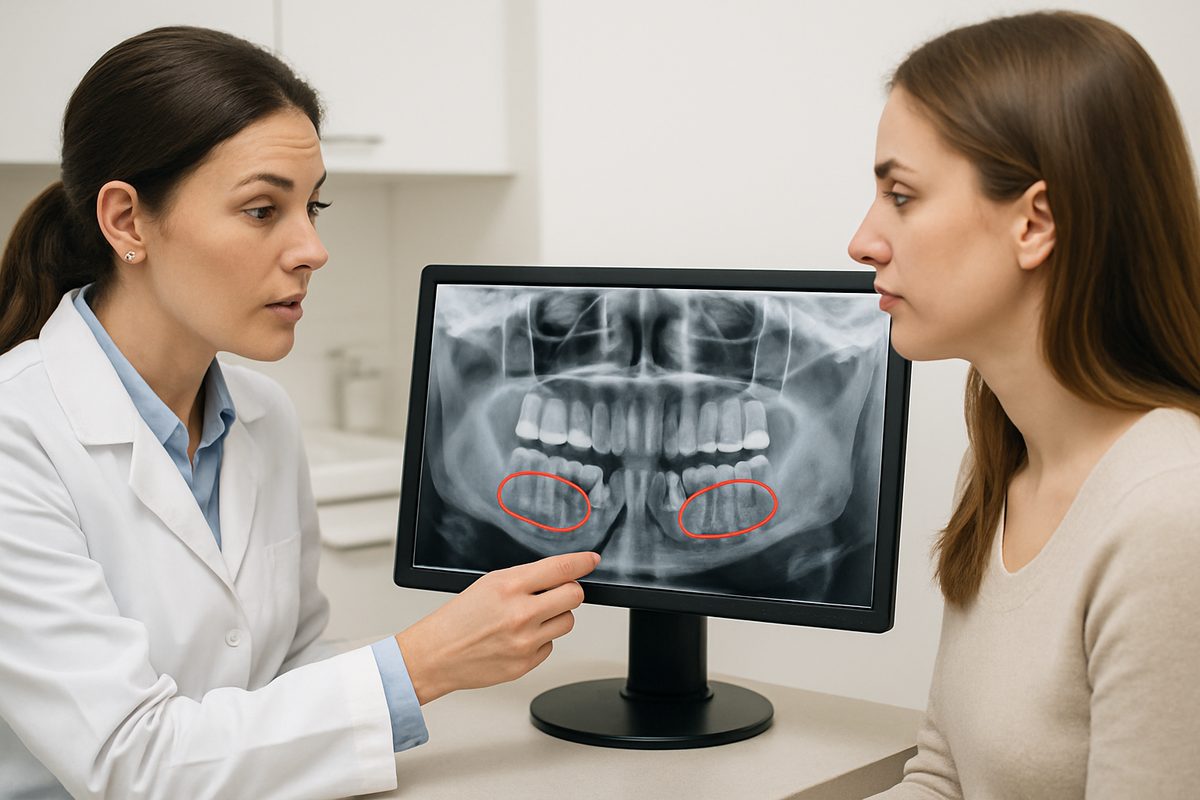
The process starts with 3D imaging (CBCT) to measure bone. Your clinician chooses a graft material and plans the surgery. The surgeon places the graft and may use a membrane or screws to hold it. Healing time before an implant is commonly 3–6 months, though some grafts take longer. After surgery you can expect swelling, mild pain, and a short course of antibiotics or pain meds. Follow-up visits check healing and when the site is ready for the implant.
Are there alternatives to dental bone grafts for implants?
Alternatives exist for certain cases. Short or narrow implants can avoid the need for grafting when only small increases in bone are needed. Angled implants and zygomatic implants are options for severe bone loss in the upper jaw. Ridge expansion or socket-preservation can sometimes reduce grafting needs. Each alternative has pros and cons—some are less invasive but may not be ideal for long-term strength or for certain bite forces.
Risks, benefits, and success rates
Bone grafts and implants have high success rates when planned well. Risks include infection, graft failure, and slow healing. Factors that lower success include smoking, uncontrolled diabetes, and poor oral hygiene. Careful planning with imaging and choosing the right material and technique reduce complications.
How to decide if you need a bone graft
Get a CBCT scan and a thorough exam to measure bone. Ask your clinician about graft materials, timelines, and realistic outcomes. Seek a provider experienced in implant planning and consider a second opinion for major surgeries. Clear communication about goals, costs, and recovery helps you choose the safest plan.
Dr. Joe Lee, DDS, MDS, FACP, is a board-certified prosthodontist leading Lalor Implant Center. The practice uses CBCT imaging, CAD/CAM design, and 3D printing to plan grafts and implants precisely. Their team focuses on evidence-based care and long-term results.
If you’re considering implants, schedule a consultation and CBCT imaging to see if a graft is needed. Not every implant requires a bone graft; a proper exam will determine the best path for a stable, lasting result. Contact the office to get started.