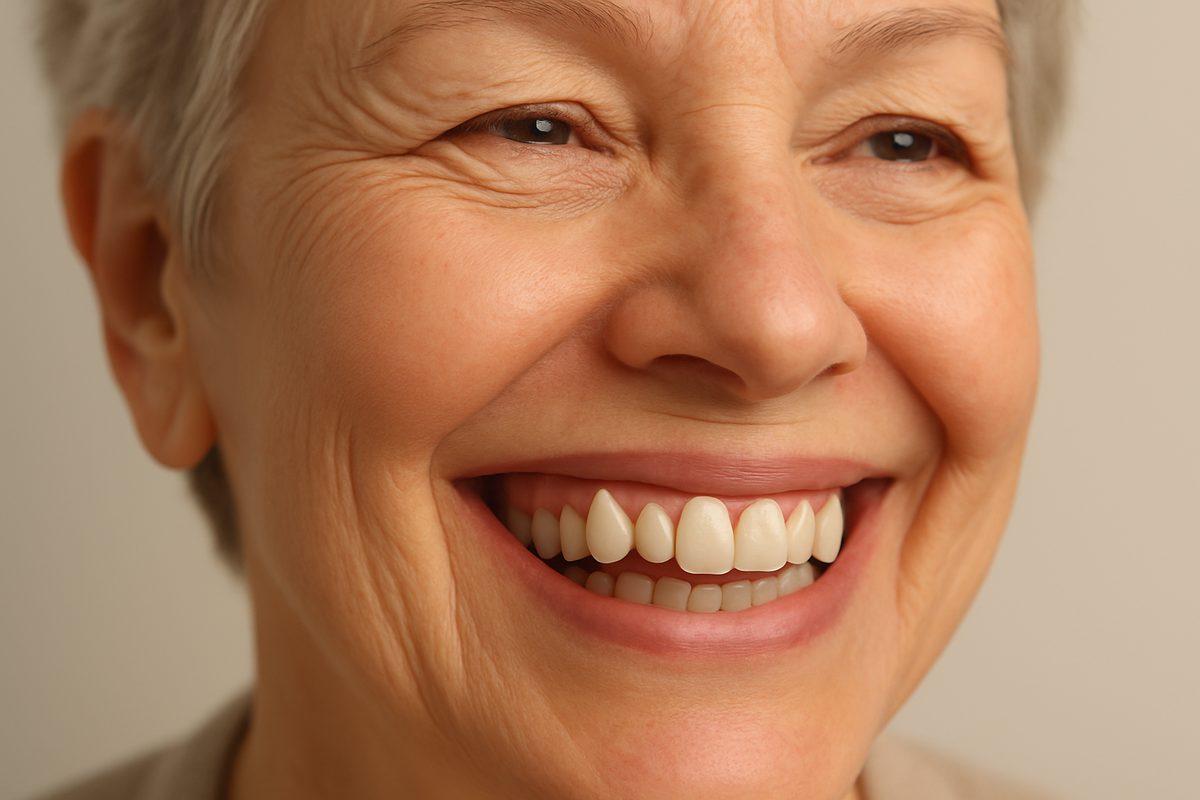
A dental implant partial is a tooth-replacement solution that uses one or more dental implants to support a partial prosthesis. It helps patients who are missing several teeth but don’t need a full-arch restoration. By blending fixed implant support with partial tooth replacement, a dental implant partial can restore chewing, speech, and smile appearance while offering more stability than a removable denture.
What Is a Dental Implant Partial?
A dental implant partial combines titanium implants, abutments, and a custom partial prosthesis (metal or acrylic framework with crowns). Unlike full-arch implants, which replace an entire row of teeth, partials replace only selected missing teeth. Some are fixed (screwed or cemented onto implants) while others are removable but implant-retained for extra stability compared with traditional removable partial dentures.
Who Is a Good Candidate for a Dental Implants Partial?
Oral and bone health
Good candidates have healthy gums and enough jawbone where implants will go. A CBCT (3D scan) checks bone volume and anatomy. If the bone is thin, grafting or sinus lifts may be needed before implants can be placed.
Medical considerations
General health matters: controlled diabetes, stopped smoking or reduced tobacco use, and a review of medications (like bisphosphonates) are important. Your dentist will assess your healing ability and any medical risks before recommending implants.
Patient goals
Patients who want better chewing, a natural look, and long-term stability—yet don’t need full-arch work—often choose a partial implant solution. Budget and timeline goals also affect whether a partial implant is the best choice.
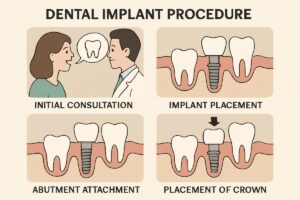
Typical Treatment Steps and Timeline
Consultation and digital planning
Care begins with an exam, digital X-rays, and CBCT imaging. Digital planning (CAD/CAM) maps ideal implant positions and designs the prosthesis before surgery.
Surgical placement and healing
Implants are placed under local anesthesia. Healing and osseointegration typically take several weeks to a few months. If grafting is needed, that can add healing time.
Delivery of the partial prosthesis
After healing, impressions or digital scans are taken, a try-in may occur, and the final partial is attached. Short follow-ups ensure fit and function.
Benefits and Risks
Benefits: greater stability than removable partials, preservation of jawbone, improved chewing and speech, and a more natural appearance. Risks: possible implant failure, infection, need for grafting, and long-term maintenance, such as cleaning under the prosthesis. Proper planning and oral hygiene reduce most risks.
Cost, Insurance, and Financing
Costs vary by number of implants, grafts, materials, and lab work. Many dental plans limit implant coverage, so expect out-of-pocket expenses. Practices often offer in-house financing or third-party plans to spread payments.
Alternatives to a Dental Implant Partial
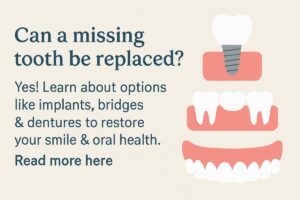
Removable partial dentures are less expensive but less stable. Traditional bridges don’t require implants but need healthy adjacent teeth for support. Full-arch implant options replace all teeth when many or all teeth are missing. Each choice has trade-offs in cost, longevity, and oral impact.
Why Work With a Board-Certified Prosthodontist?
Dr. Joe Lee, DDS, MDS, FACP, is a board-certified prosthodontist at Lalor Implant Center in Vestal, NY. He brings advanced training in implant surgery and esthetic dentistry and uses CBCT, CAD/CAM, in-house milling, and 3D printing for precise planning and faster, natural-looking results. Choosing a prosthodontist helps ensure predictable function and esthetics.
Next Steps & Quick FAQs
If you’re considering a dental implant partial, schedule a consultation to review scans and options. Q: Will placing implants hurt? A: Surgery is done with local anesthesia; most patients report mild discomfort afterward, managed with pain control. Q: How long do implant partials last? A: With good care, implants often last decades; prosthetic parts may need replacement over time. Q: How do I clean a partial implant prosthesis? A: Daily brushing, flossing around implants, and professional cleanings are essential. Special floss or interdental brushes may help. Call Lalor Implant Center to book a consultation and learn if a dental implant partial is right for you.