Maintaining good oral hygiene starts with choosing the right tools, and for many, the question of how to choose the right toothbrush becomes crucial. With numerous options available, making the best selection can significantly affect your dental health. Understanding the various features and types of toothbrushes can help you make an informed decision that supports your unique oral needs.
Understanding Toothbrush Basics
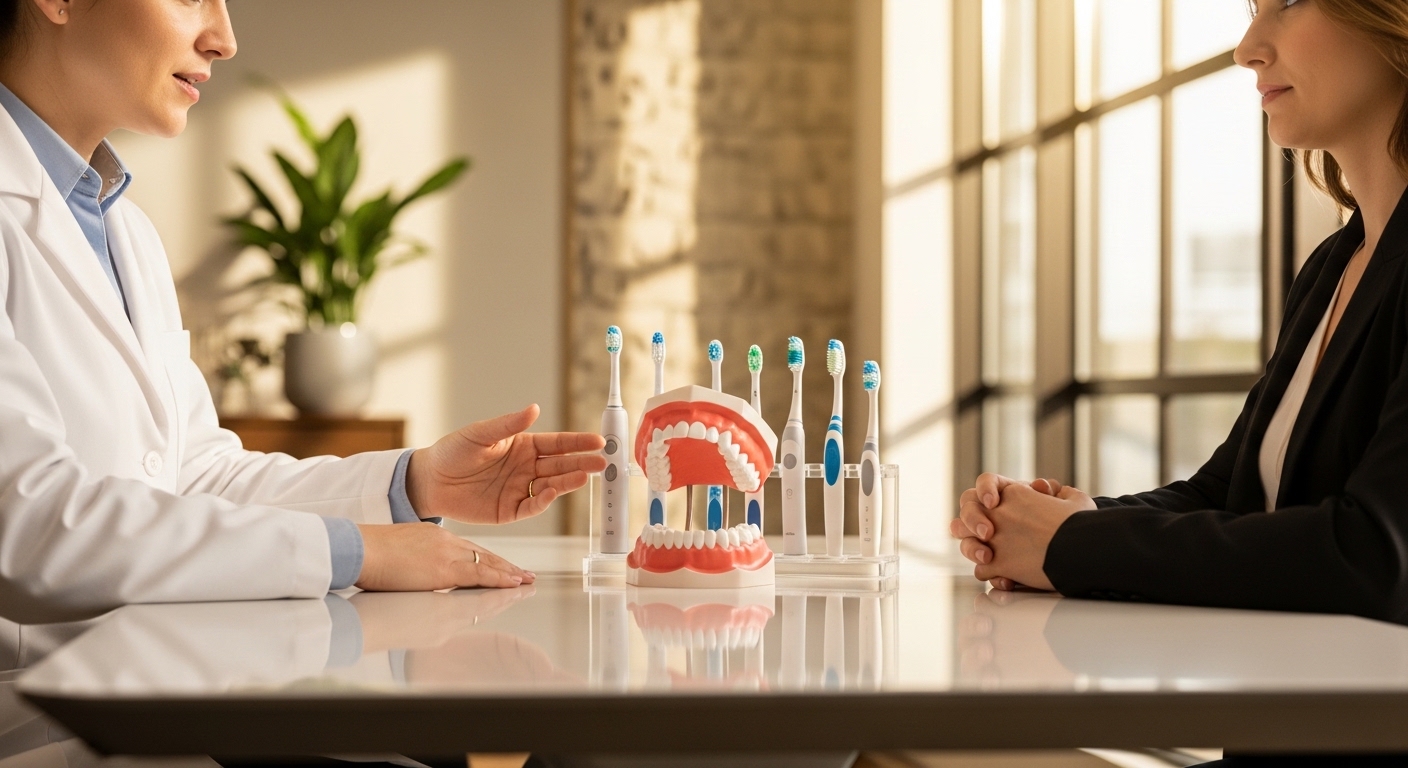
There are two main categories of toothbrushes: manual and electric. Manual toothbrushes are the traditional choice and can be effective when used properly. They are versatile and easy to travel with, but their effectiveness largely depends on the user’s brushing technique. Electric toothbrushes, on the other hand, offer the benefit of advanced technology to aid in cleaning. Oscillating or sonic movements help in reducing plaque and are particularly useful for individuals who have difficulty brushing manually due to mobility issues.
Bristle Varieties and Why They Matter
The bristle type is another crucial factor. Toothbrushes typically come in soft, medium, and hard bristles. Soft bristles are generally recommended, especially for those with sensitive gums or dental implants, as they clean the surface effectively without causing irritation or damage to the gum tissue.
Factors to Consider in Toothbrush Selection
Your individual dental health needs should guide your toothbrush selection. If you have specific concerns such as gum sensitivity, teeth alignment, or wear dental prosthetics, choosing a brush that caters to these needs is important.
Personal Dental Health Needs
Consider the specific conditions of your mouth. If you have braces, a toothbrush with special bristle alignments can better clean around these structures. For those with periodontal disease, a soft-bristled brush is less likely to aggravate gum sensitivity.
Gum Sensitivity and Toothbrush Choice
Choose a toothbrush with soft bristles if you experience pain or tenderness in your gums. Gum sensitivity demands gentle care, and using a soft-bristled toothbrush can alleviate discomfort while still providing a thorough clean.
Toothbrush Features for Dental Implants
Dr. Lee understands that implants, prosthetics, and reconstructive dentistry demand special care. Patients with dental implants benefit from toothbrushes designed to access the nooks and crannies where implants meet natural teeth.
Specialized Care for Implants
For implants, electric toothbrushes with small circular heads can effectively clean hard-to-reach areas, ensuring your investment is protected from plaque build-up and infection.
The Role of Technology in Toothbrush Selection
Today’s smart toothbrushes offer a level of care that traditional models cannot match. Many smart brushes come equipped with pressure sensors to protect your gums and treatment plans that adapt to how you brush, ensuring that you don’t miss any spots.
Features to Look for in a Smart Toothbrush
When selecting a smart toothbrush, look for features such as real-time feedback, timers, and customizable modes tailored to sensitive areas or dental concerns like gingivitis. Patients with dental implants may find these features beneficial for maintaining oral health.
How Often Should You Replace Your Toothbrush?
Replacing your toothbrush every three to four months is recommended by dental professionals, or sooner if the bristles become frayed or worn. Regular replacement ensures maximum effectiveness in removing plaque and debris.
Signs It’s Time for a New Toothbrush
If your toothbrush looks worn or you’ve been ill, it’s time to switch to a new one. Well-maintained bristles are essential for proper gum care and cleaning.
Understanding Bristle Hardness
Selecting the right bristle hardness plays a vital role in how effective and comfortable brushing will be. Using hard bristles on sensitive gums can result in bleeding, while very soft bristles might not effectively clean if you are prone to plaque build-up.
Dr. Joe Lee’s Expert Tips on Proper Brushing Techniques
Effective brushing is as much about technique as it is about the toothbrush itself. Angle the brush at 45 degrees toward your gums and gently brush in a circular motion. Spend at least two minutes each time you brush, making sure to cover all the surfaces of every tooth.
Common Mistakes to Avoid
Avoid using excessive force when brushing, as this can lead to enamel erosion and gum recession. Also, be mindful of rushing the process, as skipping areas can lead to plaque build-up.
FAQ Section
What is the best type of toothbrush for sensitive gums?
Soft-bristled toothbrushes are the most suitable for sensitive gums. They provide gentle yet effective cleaning without irritating sensitive tissue.
Is an electric toothbrush better than a manual one?
Electric toothbrushes offer more thorough cleaning with advanced features but choosing between electric and manual depends on personal preference and brushing technique.
How can I ensure my toothbrush is clean and hygienic?
Rinse your toothbrush thoroughly after each use, store it upright, and allow it to air dry. Avoid sharing toothbrushes and keep them covered when traveling.
How do I choose a toothbrush for my child?
For children, choose a toothbrush with a small head, soft bristles, and a comfortable grip designed for smaller mouths and hands.
Can a toothbrush affect my dental implants?
Choosing the right toothbrush, particularly one that can gently clean around implants, is vital to maintaining dental health and preventing infection.
Conclusion and Call to Action
Choosing the right toothbrush is a step toward taking control of your oral health. For personalized advice and professional care, schedule a consultation with Dr. Joe Lee at Lee, Joseph. Our expert team in Vestal, NY, is dedicated to creating a treatment and care plan tailored to your needs.