Choosing the right dentist matters for your safety, function, and long-term results. This post will help you tell good from risky care, identify the credentials and tech to look for, and ask the right questions at your consult to get predictable, natural-looking results.
Why it matters who you choose
Implant success depends on both surgical skill and restorative know-how. Poor planning or inexperience can lead to implant failure, infection, bone loss, or an unnatural look. The right provider blends precise surgery with careful prosthetic design so your implant works, feels comfortable, and looks like a real tooth for many years.
Key credentials and training to verify
Specialty and board certification
Different specialists focus on different parts of care. Oral surgeons and periodontists do many implant surgeries. Prosthodontists specialize in rebuilding teeth and mouths and manage complex restorations. Board certification (for example, a board-certified prosthodontist) shows advanced training and tested expertise — a strong sign of quality.
Continuing education and implant-specific training
Ask about residencies, fellowships, implant courses, and how many cases the dentist places each year. High-quality providers keep up with new techniques and place a steady volume of implants, which improves outcomes.
Essential technology and diagnostics to expect
Modern tools reduce surprises and improve fit and aesthetics. CBCT 3D imaging reveals bone shape, nerves, and sinuses for safe implant placement. Digital X-rays give clear, low-dose images. Surgical guides, CAD/CAM design, in-house milling, and 3D printing allow precise placement and faster, better-fitting restorations. These tools lower risk and speed up treatment.
Comprehensive treatment planning and patient assessment
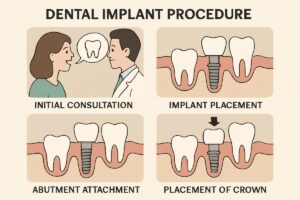
A careful evaluation includes medical and dental history, medication review, and an examination of the bones and gums. If the bone is thin, grafts or sinus lifts may be needed. The best approach is prosthetic-driven planning: design the final tooth first, then place the implant to support it for predictable results.
The range of services and restorative options they should offer
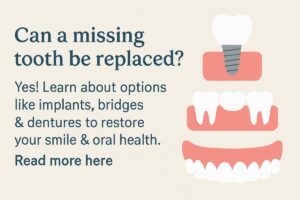
Look for providers who offer single-tooth crowns, implant bridges, and full-arch solutions like All-on-4. They should explain immediate versus delayed placement, provisional restorations while you heal, and sedation options, if needed. A full-service practice that handles both surgery and final restorations makes care smoother.
What success looks like and long-term care
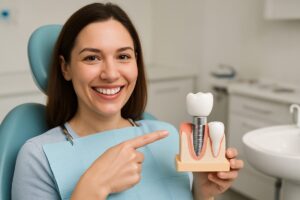
Success means stable function, a natural appearance, no pain, and healthy tissue around the implant. Follow-up usually includes a schedule of professional cleanings and exams, plus daily home care. Ask about maintenance plans and any warranties or guarantees on the work.
Questions to ask when you meet a dentist about implants
When meeting a dentist who does implants in Vestal, NY, ask:
– How many implants have you placed?
– Are you board-certified or a specialist?
– Will you use CBCT and surgical guides?
– Who will perform the surgery and who will restore the tooth?
– Can I see before-and-after photos or patient reviews?
– What are the risks, costs, and timeline?
About Lalor Implant Center and Dr. Joe Lee
Lalor Implant Center in Vestal, NY, is led by Dr. Joe Lee, DDS, MDS, FACP, a board-certified prosthodontist and Diplomate of the American Board of Prosthodontics. The practice focuses on advanced implant and restorative care using CBCT, CAD/CAM, in-house milling, and 3D printing to support predictable, esthetic results.
Next steps / How to get a consult
To request a consult or second opinion, bring medical history and any recent X-rays. Ask the checklist questions during your visit and request a clear treatment plan and timeline. Meeting with a trusted dentist who offers implants in Vestal, NY, will help you make a confident, safe choice for your smile.