Single tooth dental implants are a long-lasting way to replace one missing tooth. In this article you’ll learn what a single tooth dental implant is, who is a good candidate, how the procedure works, what recovery looks like, what affects cost, and what to do next. If you’re considering single tooth dental implants in Vestal, NY, this guide will help you know what to expect and what questions to ask at your first visit.
What Is a Single Tooth Dental Implant?
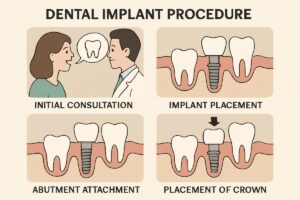
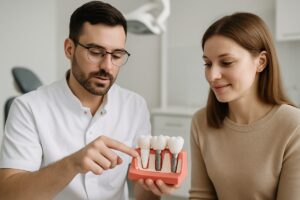
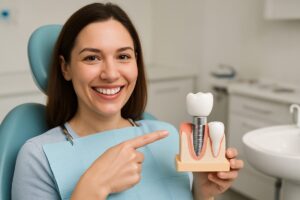
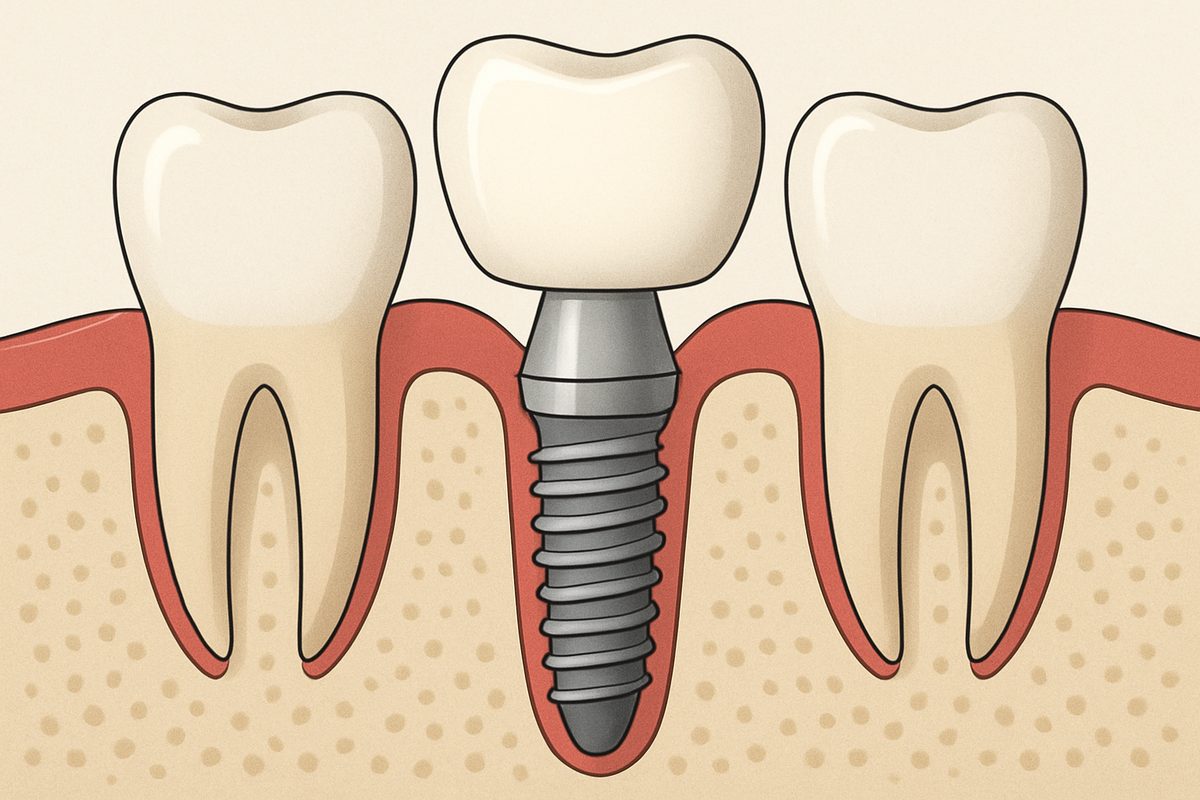
A single tooth dental implant is a three-part solution: a titanium implant placed in the jawbone, an abutment that connects the implant to the crown, and a custom crown that looks and works like a natural tooth. Unlike a bridge, an implant replaces the tooth root as well as the visible tooth, so it preserves bone and neighboring teeth. Unlike removable dentures, a single implant is fixed and feels more like your own tooth.
Who Makes a Good Candidate for Single Tooth Dental Implants?
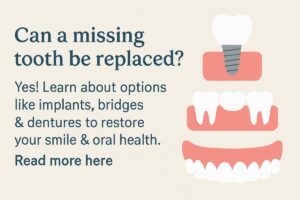
Good candidates have healthy gums, enough jawbone to hold an implant, and are willing to follow oral hygiene and aftercare instructions. Non-smokers do best, but smokers who quit before and after surgery may qualify. Controlled medical conditions like diabetes can be acceptable with coordination from your physician. If you lack bone, bone grafting may help; if implants aren’t an option, alternatives include fixed bridges or removable partial dentures.
The Single Tooth Dental Implant Process
Consultation & Diagnostic Imaging
Your first visit includes a clinical exam and imaging. Cone beam CT (CBCT) scans and digital x-rays map the jaw, roots, and vital structures so the implant can be precisely planned. This step reduces surprises and lets the team design a safe, predictable placement for single tooth dental implants in Vestal, NY.
Surgery & Healing
During surgery, the implant is placed into the bone under local anesthesia or IV sedation if preferred. Most procedures are outpatient and take under an hour for a single implant. Over the next 3–6 months the bone fuses to the implant in a process called osseointegration. You may have mild swelling, soreness, or bruising for a few days; most people return to normal activity within a few days to a week.
Restoration: From Temporary to Final Crown
After healing, an abutment is placed and impressions are taken—now often digital. A temporary crown may be used while a CAD/CAM final crown is made for strength and esthetics. In-house milling and precise digital design help the final crown match your bite and neighboring teeth closely.
Recovery, Risks, and Long-Term Care
Normal recovery includes mild pain, swelling, and a brief soft-food diet. Watch for persistent pain, increasing swelling, fever, or pus—these can signal infection and need prompt care. Long-term care is straightforward: brush twice daily, floss around the implant, and attend regular dental checkups and cleanings. With good care, implants can last many years or decades.
Cost Factors and Insurance
Costs vary by number of implants, need for bone grafting or sinus lifts, type of crown (porcelain, zirconia), and lab or technology fees. Insurance may cover part of the restoration but often not the entire implant surgery; check your plan. Many practices offer financing or payment plans to spread cost over time.
Why Choose Lalor Implant Center for Single Tooth Dental Implants
Dr. Joe Lee, a board-certified prosthodontist, leads Lalor Implant Center and uses CBCT, CAD/CAM, in-house milling, and 3D printing to improve precision and esthetics. His advanced training in implants and dental ceramics helps ensure predictable surgical placement and high-quality crowns that blend naturally with your smile.
To prepare for a consult, gather any recent dental x-rays and a list of medications and health conditions. Expect a clinical exam, CBCT imaging if needed, and a clear treatment plan with costs and timelines. Contact Lalor Implant Center to schedule an evaluation and learn whether single tooth dental implants are the right choice for you.