Dental implant procedures explained — there are several common approaches patients should know about, each suited to different needs and timelines. For anyone researching options locally, here are clear, patient-friendly descriptions of the main choices for dental implant procedures explained in Vestal, NY, so you can start to see which path may fit your smile and schedule.
Types of Dental Implant Procedures Explained
Single-tooth implant
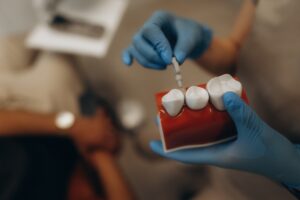
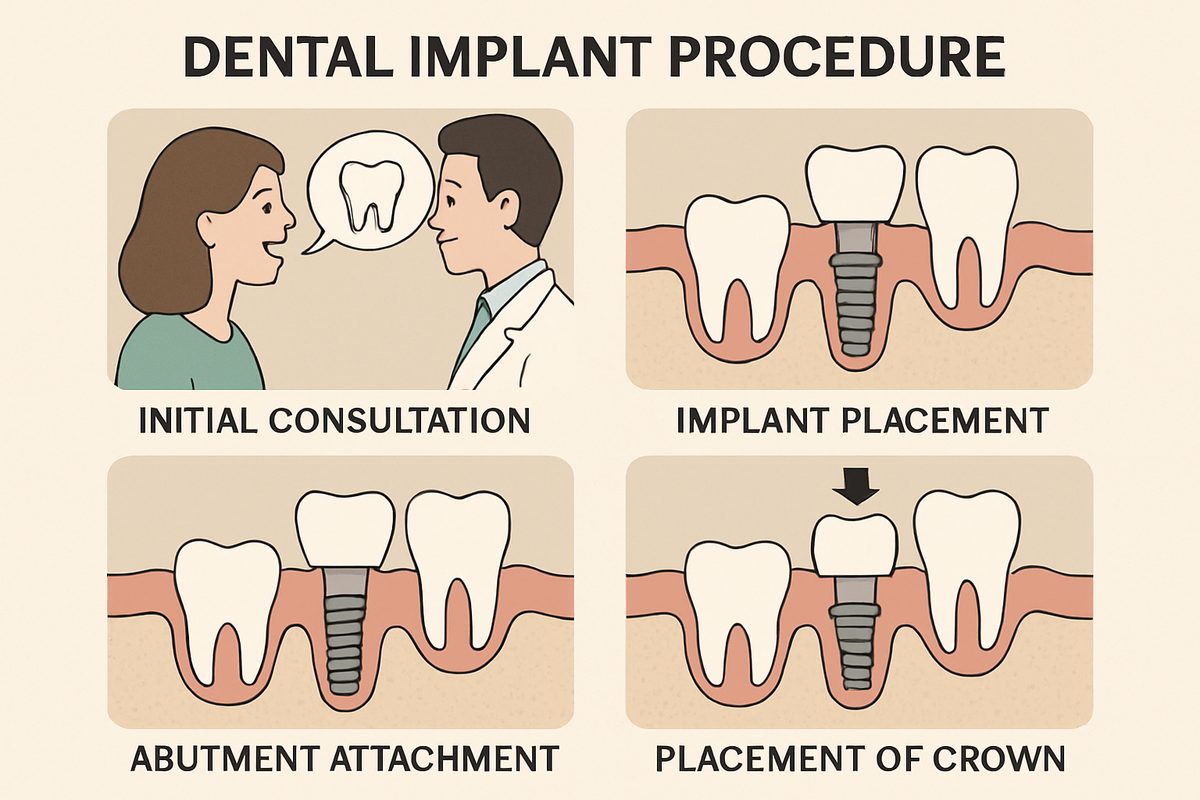
A single-tooth implant replaces one missing tooth with three parts: a titanium implant post placed in the jaw, an abutment that connects the post to the visible tooth, and a custom crown that looks like a natural tooth. Typical timeline: consultation and imaging, implant placement, healing (often 3–6 months for osseointegration), then abutment and crown. Ideal candidates have good oral health and enough bone at the site or can receive a small graft.
Multiple implants and implant-supported bridges
When two or more adjacent teeth are missing, implants can support a bridge rather than placing one implant per tooth. This lowers costs and better preserves bone and chewing function than a removable partial denture. Benefits include stronger bite force, no need to alter neighboring healthy teeth, and improved comfort and stability. The timeline often mirrors that of single implants but may include additional steps if bone grafting is required.
Full-arch solutions (All‑on‑X / fixed full-arch)
Full-arch solutions restore an entire upper or lower jaw using a limited number of implants that support a fixed prosthesis. All‑on‑4 and All‑on‑6 are common terms: All‑on‑4 uses four well-placed implants, while All‑on‑6 uses six for extra support. Typical candidates are those missing most or all teeth, or people with failing dentition seeking a stable, non-removable option. These treatments can often provide same-day temporary teeth, with final prosthetics delivered after healing.
Mini implants and temporary/temporary-loaded options
Mini implants are narrower posts used when the jawbone is limited or when the goal is to stabilize a denture. They’re less invasive and can be a good short-term or low-cost option, though not always suitable for major restorations. Immediate-load (same-day) implants allow a temporary tooth or bridge to be attached immediately after placement, once primary stability is achieved. Immediate options speed up the function but require careful planning and case selection.
When bone grafts or sinus lifts are part of the procedure
Bone grafts and sinus lifts are done when there isn’t enough jawbone to support an implant. A graft builds up the bone, and a sinus lift raises the sinus floor in the upper jaw to create room for graft material. These add time—often several months—to the treatment plan because the graft must heal before implants are placed. They are common, predictable steps that enable long-term implant success.
Preparing for Surgery: Practical Steps Before Your Implant Procedure
Medical review and medications
Tell your team about health conditions (diabetes, heart disease), blood thinners (warfarin, aspirin, clopidogrel), and supplements (fish oil, vitamin E, herbal remedies). Bring a complete medication list and a list of allergies. Your surgeon may prescribe antibiotics, a short course of anti-inflammatory medication, and pain control options. Follow any specific instructions about stopping or adjusting blood thinners only as directed by your prescribing physician and your implant team.
Smoking, alcohol, and lifestyle steps
Smoking and vaping slow healing and raise the risk of implant failure. We recommend quitting at least two weeks before surgery and ideally continuing to avoid tobacco for two months or longer after placement. Avoid alcohol for 48–72 hours around surgery as it can interfere with medications and healing. Staying hydrated, eating well, and getting good sleep help your body recover faster.
Day‑of and day‑before checklist
The day before: confirm arrival time, finish any pre-op medications, and arrange transportation if you’ll have sedation. If sedation is planned, don’t eat or drink after the instructed fasting time. Wear loose, comfortable clothing and avoid strong scents. Bring a list of current medications, your emergency contact, and any paperwork. Plan for soft foods and a low-activity day after the procedure.
Questions to ask your team
Prepare concise questions, so you leave with clear expectations:
What is the expected timeline from surgery to the final teeth?
What pain control and infection-prevention steps will you use?
Who is the emergency contact after hours?
What are the likely costs and payment/financing options?
Will I need bone grafting or a sinus lift, and what are the additional steps?
Ask about follow-up visits and any activity restrictions after surgery.